
AI search is changing how people discover, compare and choose services online. It's time for businesses to prepare for the future of search.
AI search is changing how people discover, compare and choose services online. Gone are the days when you simply typed something like “restaurants near me” into Google and scrolled through a list of blue links.
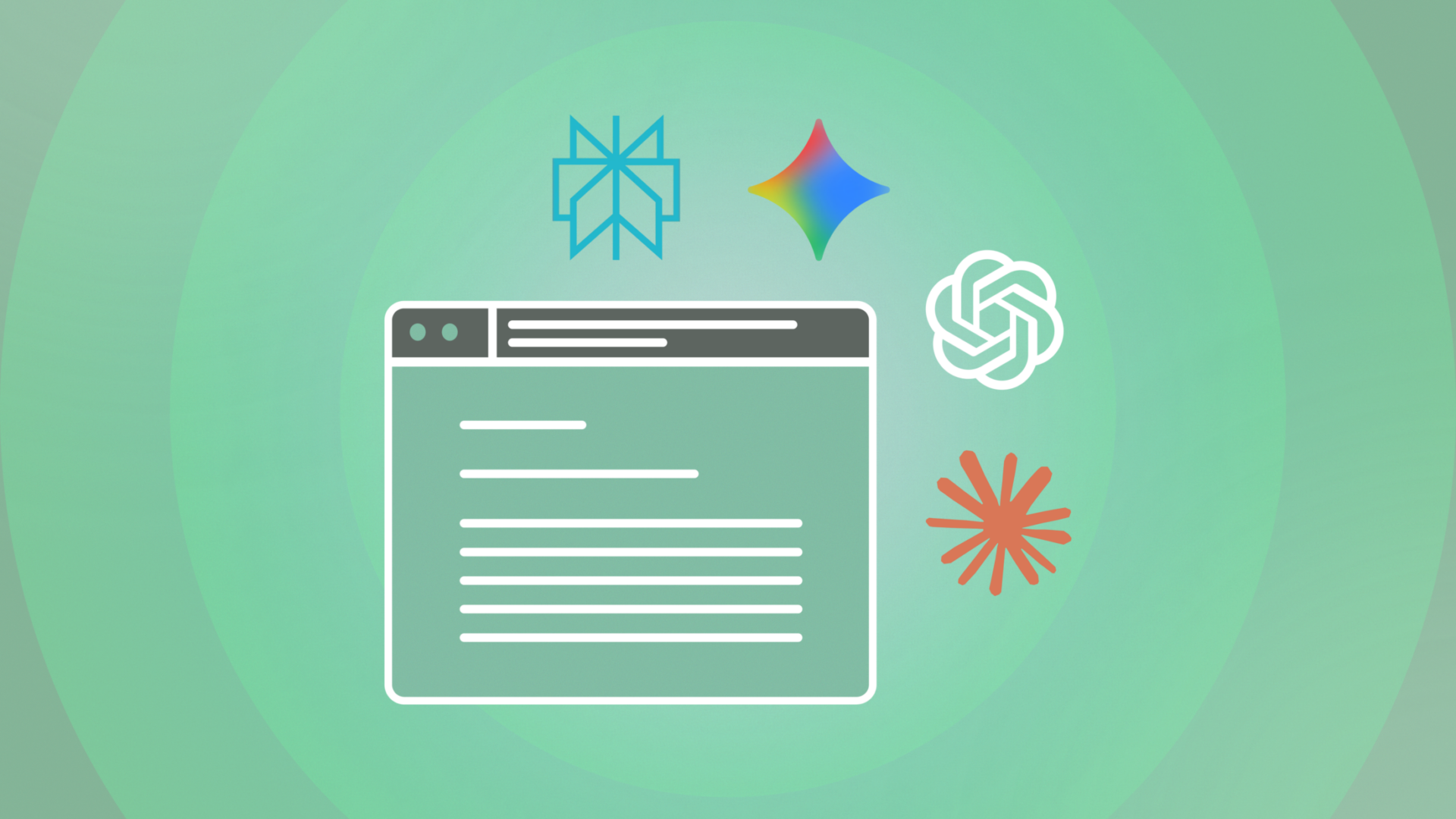
Traditional SEO still accounts for the majority of search, but it is no longer the only way. ChatGPT, Gemini, Perplexity, Claude and Google’s AI Overviews are being used more and more often to find answers that people can trust.
So often portrayed in sci-fi movies, such as J.A.R.V.I.S. in Iron Man and Baymax in Big Hero 6, AI assistants are real now. They help people decide where to go, what to buy, what time to be there etc.
What you may not know, however, is that each platform searches, interprets and cites information differently. If your website is only optimised for Google, you could be missing visibility where future customers are already looking.
AI search is not a case of one-size-fits-all.
Some platforms lean heavily on your website and Google’s ecosystem. Others use live web search, review sites, directories and trusted third-party sources.
What does this mean for your marketing? Realistically, your business needs to be visible, consistent and easy to understand across more than one channel.
Now people ask questions like:
“What is the best web design agency in the UK?”
“Which company can help me redesign my website?”
“Who are the best accountants for small businesses?”
“What are the best restaurants near me?”
“Which marketing agency specialises in hospitality?”
They expect a direct recommendation, not just a list of blue links.
This is where GEO comes in. Generative engine optimisation helps AI systems understand what your company offers, who it suits and when it should be recommended.
You do not need four separate strategies. You need one strong foundation, followed by checks across each platform.
All AI search tools need reliable information to work with. Your website should be accessible, accurate and consistent with your Google Business Profile, Tripadvisor or Trustpilot (whichever is approriate).
What changes between tools is how they search for that information and present it to travellers.
ChatGPT can search the live web and link to the sources used in its answers.
Clear, location-specific business content and consistent external profiles give ChatGPT reliable information to work with. Important pages should also be accessible to its search crawler.
Gemini and Google’s AI search features draw from Google Search’s existing systems.
Strong SEO foundations, location pages, and an accurate Google Business Profile help Google connect your property with relevant traveller searches.
Perplexity searches the live web and places citations prominently within its answers.
Specific, well-structured content that answers real consumer questions gives Perplexity useful sources to reference, including product/service pages, local guides and promotional content.
Claude can search the live web, compare several sources and provide cited answers.
Accurate, easy-to-find information and consistent brand details give Claude reliable material to use when describing your business.
Improving AI visibility for businesses requires more than optimising for one tool. Focus on four connected areas:
An AI search optimisation agency helps businesses become easier for AI systems to find, understand, trust and recommend.
This can include technical SEO and crawl checks, answer-led content, structured data, topical content strategies, reputation and review work, digital PR, authoritative third-party mentions and visibility monitoring across AI platforms.
It should not be treated as a replacement for SEO.
Instead, GEO should build on strong SEO foundations, combining technical accessibility and search visibility with content and authority strategies designed for the way people increasingly interact with AI.
Businesses that adapt now will be in a much stronger position as this behaviour develops.
The opportunity isn’t simply to rank, it’s to become a business that AI systems can find, understand, trust and recommend.
If you’re looking to improve your visibility across AI search platforms, the team at UP Hotel Agency can help you understand where your business currently stands and where there are opportunities to improve.
Business don’t need an entirely different strategy. Each platform uses different systems and sources, but many of the fundamentals are shared.
A crawlable website, clear information, consistent business details, useful content and strong external authority give AI platforms better information to work with.
Start by making important information easy to find and understand.
Clearly explain what your business does, the services or products you provide, who you serve, where you operate and what makes you different.
Then consider the questions your customers ask and create useful content that answers them directly.
GEO is not replacing SEO. In fact, GEO builds on SEO rather than replacing it.
Technical accessibility, useful content, authority, reputation and a strong website remain important. The difference is that businesses increasingly need to consider how their information is interpreted and used within conversational AI experiences as well as traditional search results.
More Articles
![AI, Search, and the Future of Website Visibility [Blog Banner 16_9]](https://adao.co.uk/wp-content/uploads/2026/07/AI-Search-and-the-Future-of-Website-Visibility-Blog-Banner-16_9-1024x576.png)


![Website SEO Basics [Blog Banner 16_9]](https://adao.co.uk/wp-content/uploads/2026/02/Website-SEO-Basics-Blog-Banner-16_9-1024x576.avif)


In order to have the best experience, please update your browser. If you choose not to update, this website may not function as expected. Clicking the button below will help you to update your browser.
Update Your Browser Continue Without Updating